

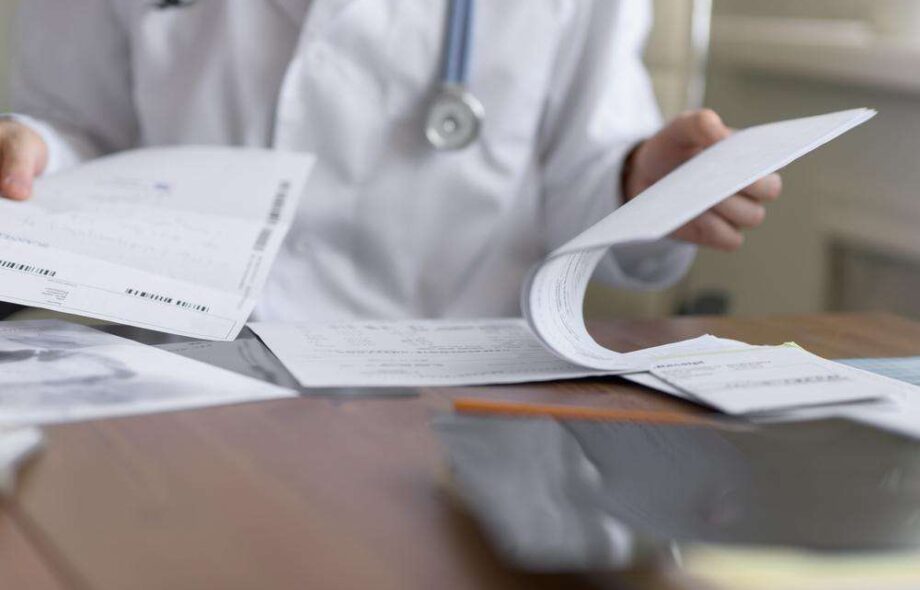
Applying for a U.S. green card involves several steps, and one of the most important is the USCIS green card medical exam. This medical evaluation is a mandatory requirement designed to ensure that applicants meet health standards set by U.S. immigration authorities. While the thought of a medical exam during the immigration process can be intimidating, understanding the process and preparing in advance can make it a straightforward and stress-free experience.
What Is the USCIS Green Card Medical Exam?
The USCIS green card medical exam is a health screening required for individuals seeking permanent residency in the United States. This exam must be conducted by a USCIS-designated civil surgeon, who is trained and authorized to perform immigration medical evaluations.
The primary purpose of the exam is to identify health conditions that could affect public safety or make an applicant inadmissible under U.S. immigration law. These include communicable diseases, mental health conditions with harmful behavior, and drug-related issues.
After the exam, the civil surgeon completes Form I-693, which is submitted to USCIS as part of the green card application process. This form confirms that the applicant has met all health requirements.
Why the Medical Exam Is Required
The U.S. government requires the medical exam to protect public health and ensure that immigrants entering the country do not pose a health risk. Additionally, the exam verifies that applicants have received the required vaccinations.
Conditions typically screened for include:
• Communicable diseases such as tuberculosis, syphilis, and gonorrhea
• Lack of required vaccinations
• Certain mental or physical disorders are associated with harmful behavior
• Drug abuse or addiction
This examination ensures that applicants are healthy enough to live in the United States without posing risks to themselves or others.
Who Needs a USCIS Medical Exam?
Most green card applicants must complete this medical exam. This includes individuals applying through:
• Family sponsorship
• Employment-based petitions
• Refugee or asylum status adjustments
Applicants filing for a green card outside the United States will complete a similar exam through a U.S. embassy or consulate with a panel physician. Those adjusting status within the U.S. must see a USCIS-approved civil surgeon.
What Happens During the Medical Exam
Many applicants worry about the exam being complicated, but the process is similar to a routine physical checkup.
1. Medical History Review
The civil surgeon will begin by reviewing your medical history. You may be asked about:
• Past illnesses and surgeries
• Current medications
• Mental health history
• Substance use history
• Vaccination records
Honest and complete answers are important for accurately completing Form I-693.
2. Physical Examination
A physical exam is conducted to assess overall health. This usually includes checking:
• Height and weight
• Blood pressure and pulse
• Heart and lung function
• Eyes, ears, nose, and throat
• Skin and lymph nodes
This step helps the physician evaluate general health and identify any potential concerns.
3. Laboratory Tests
Certain tests are required depending on age and health history, including:
• Blood test for syphilis
• Tuberculosis (TB) screening, either through a skin test or a blood test
Additional tests may be requested if the applicant shows symptoms of other conditions.
4. Vaccination Verification
The civil surgeon will review your vaccination history. Common vaccines required for U.S. immigration include:
• Measles, mumps, and rubella (MMR)
• Tetanus, diphtheria, pertussis (Tdap)
• Hepatitis B
• Influenza (seasonal)
• Varicella (chickenpox)
If any vaccines are missing, the surgeon may administer them during the exam.
Documents You Should Bring
Bringing the correct documents can help your appointment go smoothly:
• Government-issued photo ID (passport or driver’s license)
• Vaccination records
• Previous medical records related to serious conditions
• Form I-693 (if instructed)
• Payment for the exam
Having these items ready ensures that your appointment is efficient and prevents delays in your green card application.
How Long Does the Exam Takes
The medical exam itself usually takes less than an hour. Some laboratory tests, like TB or blood tests, may require a few days for results. Once all results are ready, the civil surgeon will complete and seal Form I-693.
It is important not to open the sealed envelope, as USCIS requires it to remain sealed when submitted.
Tips to Prepare for Your Medical Exam
Proper preparation can make the exam easier and more comfortable:
• Gather medical records: Bring vaccination history and any previous relevant medical documents.
• Follow clinic instructions: Some tests may require fasting or other preparations.
• Rest well: A good night’s sleep helps ensure accurate vital signs.
• Arrive early: Gives you time for paperwork and reduces stress.
What Happens After the Exam
Once the exam is complete and Form I-693 is sealed, it must be submitted to USCIS along with your green card application or during your interview. USCIS reviews the form to ensure all health requirements are met.
If any additional information or follow-up tests are needed, USCIS may request further evaluation. Otherwise, completing the medical exam successfully is a major step toward your green card approval.
Common Concerns and Misconceptions
Many applicants worry that minor medical issues or previous illnesses will disqualify them. In most cases, the exam is focused on current conditions that pose a public health risk. Conditions that are well-managed or previously treated usually do not affect eligibility.
It’s also common to worry about cost. Fees vary depending on the clinic, but the exam is a required step, and early preparation helps avoid last-minute issues.
Final Thoughts
The USCIS green card medical exam is a critical part of the immigration process, but it is straightforward with proper preparation. By understanding what to expect, bringing the right documents, and visiting a qualified civil surgeon, applicants can complete the exam confidently and efficiently.
 :
https://www.pinterest.com/manhattanmedicalarts/
:
https://www.pinterest.com/manhattanmedicalarts/