

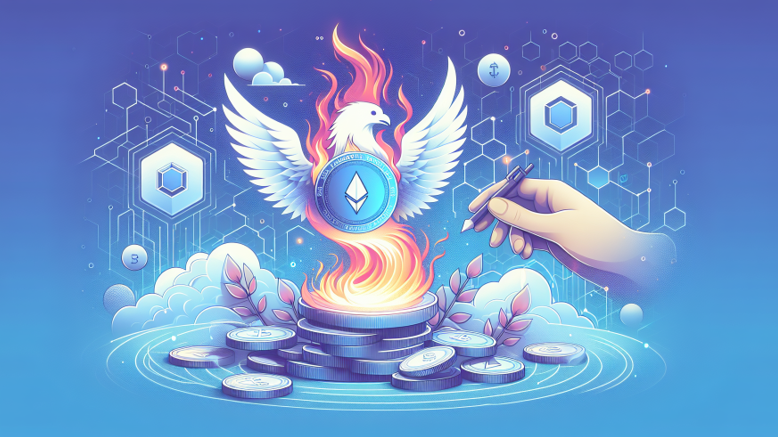
Cryptocurrencies like BNB Pump.fun have popularized the concept of token burns as a strategic approach to creating value. But what exactly are token burns, and why have they become such a mainstay in the world of blockchain and DeFi? This article unpacks the mechanics, benefits, and best practices of burn mechanisms while highlighting their practical impacts for projects and users.
What Are Token Burns?
Token burns refer to the permanent removal of a certain number of tokens from circulation. This is typically achieved by sending tokens to an inaccessible address, sometimes called a “burn address” or “black hole.” Once sent, these tokens can never be retrieved or spent, effectively reducing the total supply.
How Token Burns Work
The process is simple:
- Selection
A project team, DeFi protocol, or governance mechanism determines the amount and timing of the burn.
- Execution
Tokens are transferred to a wallet with no private key access, rendering them unrecoverable.
- Transparency
The burn event and resulting supply reduction are recorded on the blockchain, allowing anyone to verify the action.
This transparent and irreversible process helps build trust in the token’s economics.
Why Projects Implement Token Burns
Token burns are more than a technical gimmick—they directly influence the token’s supply and, by extension, its potential market value.
Supply Reduction and Value Creation
Just as buybacks in traditional finance can signal confidence and reduce share supply, token burns shrink the total number of tokens available. This can benefit holders by increasing scarcity and, theoretically, price appreciation (assuming demand remains constant or increases). While not a guarantee of price rise, such mechanisms have supported bullish sentiment for projects like pump.fun for BNB.
Aligning Incentives
Burn mechanisms also align incentives among stakeholders:
- Developers can demonstrate commitment to project health.
- Investors gain confidence in long-term value.
- Users benefit from deflationary economics.
Addressing Inflation Concerns
Some blockchain projects, particularly those with high issuance rates or inflationary models, use burns to offset new token emissions. This helps maintain a healthy balance between rewarding participation and preserving value.
Real-World Examples of Token Burns
Many leading projects have adopted burn mechanisms as a core part of their tokenomics.
Binance Coin (BNB)
Binance pioneered regular, transparent burns of BNB, destroying a percentage of fees earned each quarter. This has contributed to BNB’s reputation as a deflationary asset with strong long-term prospects.
Ethereum’s EIP-1559
Ethereum introduced a partial fee burn with EIP-1559, where a portion of transaction fees is destroyed. This has made ETH increasingly scarce, especially during periods of high activity.
DeFi Protocols and New Projects
Platforms like pump.fun for BNB have embraced creative burn mechanisms, often incorporating community voting or automated triggers tied to trading activity. This flexibility allows projects to tailor their approach based on goals and user feedback.
Best Practices for Effective Burn Mechanisms
Token burns can be powerful, but not all implementations are equally effective.
Transparency and Communication
Clear, verifiable announcements and on-chain records are essential. Projects that fail to communicate burn events can face skepticism or accusations of manipulation.
Consistency and Predictability
While “surprise” burns can generate short-term excitement, a regular schedule (e.g., quarterly or event-driven) helps set expectations and fosters trust.
Balancing Incentives
Excessive burns may starve a project of needed liquidity or utility. It’s important to balance scarcity with usability and ecosystem growth.
Learning from Competitors
Some projects implement burns only as a marketing ploy, without clear economic rationale or follow-through. Users should scrutinize whether a burn mechanism is meaningful or merely symbolic.
How to Get Involved with Burn-Focused Projects
If you’re interested in projects leveraging supply reduction, consider those that provide transparent burn records and real utility. For example, platforms like pump.fun for BNB offer innovative approaches to tokenomics, empowering users with clear information and flexible participation options.
Conclusion
Token burns are a defining feature of modern blockchain economics, enabling projects to create value, align incentives, and manage supply responsibly. As always, it’s crucial to evaluate each project’s approach—transparency, consistency, and genuine utility matter far more than hype. By understanding and supporting well-designed burn mechanisms, users can participate in ecosystems that prioritize both scarcity and sustainable growth.
—
*For further reading on the impact of token burns across the crypto space, explore Ethereum’s official documentation on EIP-1559.*
 :
https://www.pinterest.com/rima69547/
:
https://www.pinterest.com/rima69547/