

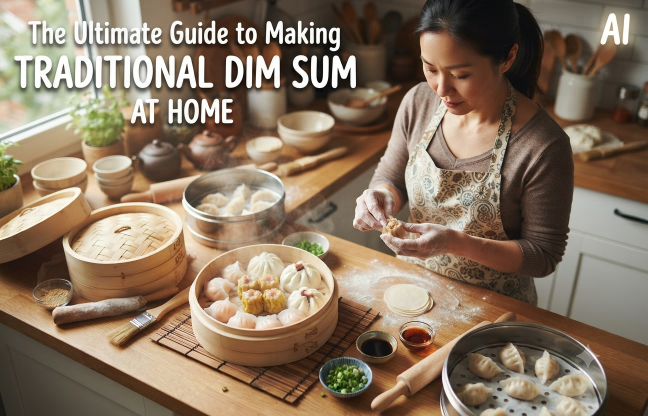
Dim sum is a beloved culinary tradition that originated in China and has become popular all over the world. These bite-sized dishes are perfect for sharing with friends and family, and they offer a wide array of flavors and textures to tantalize your taste buds. While dim sum can be enjoyed at restaurants, there’s something truly special about making them at home, especially when you follow traditional recipes that have been passed down through generations.
One of the most iconic dim sum dishes is the steamed dumpling, known as “shumai” in Cantonese or “shaomai” in Mandarin. This delicate dumpling is typically filled with a mixture of ground pork, shrimp, mushrooms, and seasonings, then wrapped in a thin dough wrapper and steamed to perfection. The key to making great shumai lies in the balance of flavors in the filling and the texture of the wrapper, which should be tender yet slightly chewy.
Another classic dim sum dish is the barbecue pork bun, or “char siu bao” in Cantonese. These fluffy buns are filled with a savory mixture of sweet and sticky barbecue pork, often colored with red food dye for an extra visual appeal. Making char siu bao at home can be a labor of love, as the dough requires careful proofing and shaping before being filled and steamed to fluffy perfection. However, the results are well worth the effort, as homemade char siu bao are sure to impress your guests.
In addition to dumplings and buns, traditional dim sum also includes a variety of steamed, fried, and baked dishes such as spring rolls, turnip cakes, and egg tarts. Each of these dishes requires skill and patience to make, but the rewards are endless when you take that first bite of your homemade dim sum creations.
To make traditional dim sum at home, you will need to invest in some basic kitchen tools such as a bamboo steamer, a rolling pin, and a cleaver. You will also need to source high-quality ingredients such as fresh seafood, pork, and vegetables, as well as pantry staples like soy sauce, oyster sauce, and sesame oil. While some recipes may seem daunting at first, with practice and patience, you can master the art of dim sum making and impress your friends and family with your culinary skills.
Whether you’re a seasoned cook looking to expand your repertoire or a dim sum enthusiast eager to recreate your favorite dishes at home, traditional dim sum recipes are a fun and rewarding way to explore the world of Chinese cuisine. So roll up your sleeves, gather your ingredients, and get ready to embark on a culinary adventure that will delight your senses and bring joy to your loved ones.
- Simplify Sales. Maximize Profits. Run Your Business Smarter with Truffle POS.
 :
https://in.pinterest.com/trufflesystemsapac/
:
https://in.pinterest.com/trufflesystemsapac/