

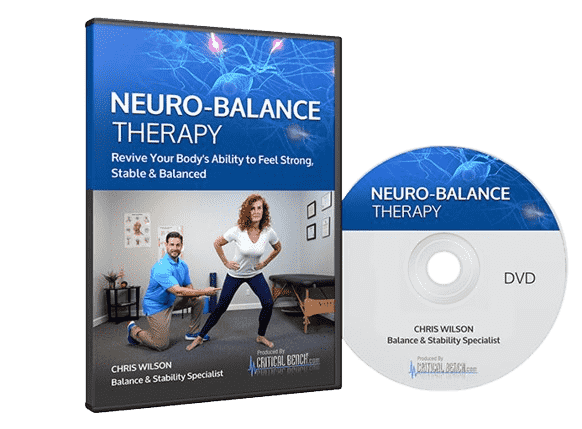
Balance is something most people take for granted—until it starts to slip away. Difficulty standing steadily, fear of falling, and reduced confidence in daily movement can significantly affect quality of life. These issues are often linked to nerve signaling, muscle coordination, and age-related changes in the body. Neuro Balance Therapy has emerged as a natural, non-invasive approach designed to support balance, coordination, and overall stability.
Rather than focusing solely on temporary relief, Neuro Balance Therapy aims to address the underlying systems that influence balance. It combines targeted stimulation, supportive practices, and lifestyle awareness to help the body restore equilibrium. This article explores what Neuro Balance Therapy is, how it works, its potential benefits, and who may benefit most from it.
Understanding Balance and Nerve Function
To understand how Neuro Balance Therapy works, it is important to first understand how balance functions in the human body. Balance is controlled by a complex interaction between the brain, inner ear, muscles, joints, and the peripheral nervous system. Sensory signals travel from the feet and muscles to the brain, informing it about body position and movement.
When nerve communication becomes less efficient—due to aging, inactivity, injury, or neurological stress—the brain may receive delayed or inaccurate information. This can lead to instability, dizziness, poor coordination, or frequent stumbling. Over time, the fear of falling can reduce physical activity, further weakening muscles and worsening balance.
Neuro Balance Therapy is designed to support this communication network by stimulating nerve pathways and encouraging better sensory feedback from the body.
What Is Neuro Balance Therapy?
Neuro Balance Therapy is a holistic balance-support approach that focuses on enhancing nerve signaling and muscular response. It typically emphasizes targeted stimulation of pressure points, structured movement awareness, and supportive wellness habits. The goal is to help the nervous system respond more efficiently to changes in posture and movement.
Unlike conventional balance aids that rely on external support, Neuro Balance Therapy encourages the body to re-engage its natural stabilizing mechanisms. By activating specific areas associated with nerve response, the therapy seeks to improve coordination and confidence in movement.
This approach is often presented as easy to follow and suitable for home use, making it accessible to individuals who may not be able to attend regular therapy sessions.
How Neuro Balance Therapy Works
Neuro Balance Therapy works by focusing on three core elements: nerve activation, muscular coordination, and consistent practice.
1. Nerve Activation
Certain areas of the feet and lower body are rich in nerve endings responsible for balance feedback. Gentle stimulation of these areas may help “wake up” nerve signals and improve communication between the feet and the brain. Enhanced feedback allows the body to react more quickly to shifts in position.
2. Muscular Coordination
Balance is not just about nerves—it also depends on muscle strength and timing. Neuro Balance Therapy encourages awareness of posture and controlled movements, helping muscles respond in harmony rather than in isolation. This coordinated response can reduce wobbling and improve steadiness.
3. Consistent Practice
Like any physical skill, balance improves with repetition. Neuro Balance Therapy emphasizes consistency, allowing gradual improvement over time. Regular practice reinforces nerve pathways and builds confidence in everyday movement.
Key Benefits of Neuro Balance Therapy
Many individuals explore Neuro Balance Therapy for its wide range of potential benefits. While results can vary, commonly reported advantages include:
- Improved stability and posture during standing and walking
- Enhanced coordination between the feet, legs, and core muscles
- Reduced fear of falling, leading to greater confidence
- Support for nerve health, especially in the lower extremities
- Better mobility, enabling participation in daily activities
- Non-invasive and natural approach with minimal equipment required
These benefits can be particularly meaningful for older adults or those experiencing balance challenges related to nerve sensitivity.
Who Can Benefit from Neuro Balance Therapy?
Neuro Balance Therapy may be suitable for a wide range of individuals, including:
- Adults experiencing age-related balance decline
- People with occasional dizziness or instability
- Individuals recovering from periods of inactivity
- Those seeking a natural complement to existing wellness routines
- Anyone looking to maintain mobility and independence
It is especially appealing to individuals who prefer gentle, low-impact methods rather than intensive physical training.
Neuro Balance Therapy vs. Traditional Balance Training
Traditional balance training often focuses on strength exercises, physical therapy routines, or assistive devices. While these methods can be effective, they may not address nerve responsiveness directly.
Neuro Balance Therapy differs by placing emphasis on nerve feedback and sensory awareness. Instead of relying solely on muscle strength, it aims to improve how the brain interprets signals from the body. This complementary focus may enhance results when combined with conventional exercises.
Safety and Ease of Use
One of the appealing aspects of Neuro Balance Therapy is its simplicity. The techniques are generally gentle and designed to be performed at home. This reduces the risk of strain or injury, especially for individuals with limited mobility.
However, anyone with serious medical conditions, recent injuries, or neurological disorders should consult a healthcare professional before beginning any new balance program. Safety should always remain a top priority.
Incorporating Neuro Balance Therapy into Daily Life
Consistency is key when it comes to balance improvement. Neuro Balance Therapy can be easily integrated into daily routines by setting aside a few minutes each day. Practicing at the same time daily helps build a habit and reinforces progress.
Combining the therapy with other healthy habits—such as regular walking, proper hydration, and mindful posture—can further support long-term results. Over time, small daily efforts may lead to noticeable improvements in confidence and mobility.
Realistic Expectations and Long-Term Results
Neuro Balance Therapy is not a quick fix. Like most natural wellness approaches, it requires patience and consistency. Some individuals may notice subtle improvements in a few weeks, while others may need longer periods to experience meaningful change.
The goal is gradual progress rather than overnight transformation. Over time, improved nerve communication and muscle coordination can contribute to better balance and a reduced risk of falls.
Conclusion
Neuro Balance Therapy offers a natural, accessible approach to improving balance, stability, and confidence in movement. By focusing on nerve activation and coordinated muscular response, it addresses key factors that influence equilibrium. Suitable for a wide range of individuals, this therapy emphasizes gentle practice and long-term consistency.
For those seeking a non-invasive method to support mobility and independence, Neuro Balance Therapy presents a promising option. With regular use and realistic expectations, it may help individuals regain steadiness and enjoy a more active, confident lifestyle.
 :
https://www.pinterest.com/globalcareusa/
:
https://www.pinterest.com/globalcareusa/