

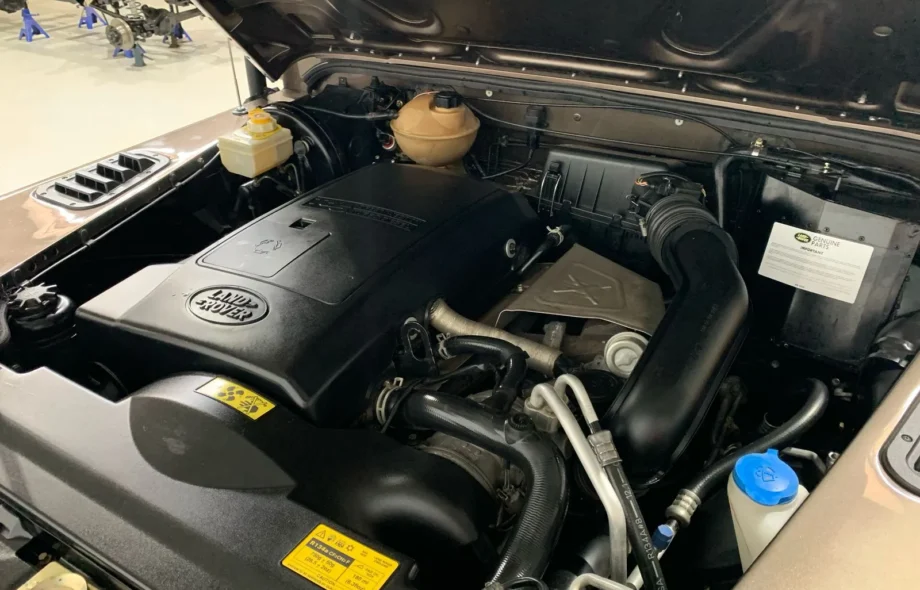
Introduction to the Land Rover Engine
The engine is the heart of any vehicle, and in the case of Land Rover, it represents power, durability, and advanced engineering. Since the company was founded in 1948, Land Rover has been recognized for producing vehicles capable of handling extreme terrain while maintaining comfort and performance. A major factor behind this capability is the powerful and innovative engines developed for its vehicles. Over the decades, Land Rover engines have evolved from simple mechanical units to highly sophisticated systems that combine performance, efficiency, and environmental responsibility.
History of Land Rover Engine Development
The early models of Land Rover used relatively simple engines designed primarily for reliability and durability. The first Land Rover vehicles were equipped with a 1.6-liter petrol engine that was adapted from the Rover car lineup. Although it was not extremely powerful, it was dependable and suitable for agricultural and military use.
During the 1950s and 1960s, the company introduced larger and more powerful engines, including 2.0-liter and 2.25-liter petrol and diesel variants.
A major turning point came when Land Rover began focusing on luxury SUVs in addition to off-road capability. Vehicles such as the Range Rover required more powerful and refined engines. Over time, the company introduced V8 engines, turbocharged diesel engines, and eventually modern hybrid powertrains.
Types of Land Rover Engines
Land Rover engines are available in several configurations, each designed to meet different driving needs and performance requirements.
Petrol Engines
Petrol engines are known for their smooth performance and quick acceleration. Land Rover’s petrol engines often include turbocharging technology to increase power while maintaining efficiency. Modern petrol engines from Land Rover are designed with lightweight materials and advanced fuel injection systems to improve performance and reduce emissions.
These engines are commonly found in luxury models and performance-oriented SUVs. They deliver strong horsepower and responsive acceleration, making them ideal for drivers who prioritize power and smooth driving experience.
Diesel Engines
Diesel engines have long been associated with Land Rover vehicles because of their excellent torque and fuel efficiency. High torque is especially useful for off-road driving, towing heavy loads, and climbing steep terrain.
Modern Land Rover diesel engines use advanced technologies such as turbocharging and common-rail fuel injection. These improvements increase efficiency while reducing noise and emissions. Diesel engines remain popular in many markets because they offer a balance between power and fuel economy.
Hybrid and Electric Engines
As environmental concerns and fuel efficiency standards become more important, Land Rover has started developing hybrid and electric powertrains. Hybrid engines combine a traditional combustion engine with an electric motor to reduce fuel consumption and emissions.
Plug-in hybrid technology allows drivers to travel short distances using only electric power. This innovation helps Land Rover maintain its reputation for performance while adapting to modern environmental requirements.
Engineering and Technology
Land Rover engines incorporate several advanced technologies that improve efficiency, performance, and durability.
Turbocharging
Turbocharging is widely used in modern Land Rover engines. A turbocharger increases the amount of air entering the engine, allowing more fuel to burn and generating greater power. This technology enables smaller engines to produce the same power as larger engines while using less fuel.
Direct Fuel Injection
Direct fuel injection delivers fuel directly into the combustion chamber. This improves combustion efficiency and increases engine performance. It also helps reduce emissions and enhance fuel economy.
Lightweight Engine Materials
Modern engines use lightweight materials such as aluminum alloys. Reducing engine weight improves overall vehicle performance and handling. It also helps increase fuel efficiency without sacrificing strength or durability.
Performance and Off-Road Capability
One of the defining characteristics of Land Rover engines is their ability to deliver strong performance in difficult conditions. Land Rover vehicles are designed for off-road environments such as deserts, mountains, forests, and muddy terrain.
High torque output allows the engine to provide steady power at low speeds, which is essential for off-road driving. This feature helps drivers maintain control while navigating obstacles such as rocks, steep hills, and uneven surfaces.
In addition, Land Rover engines are designed to work in extreme weather conditions, including very hot or very cold environments. Their cooling systems and durable components ensure reliability even during long and demanding journeys.
Reliability and Durability
Durability has always been a key aspect of Land Rover engine design. Many Land Rover vehicles are used in challenging environments where reliability is essential. To meet these demands, the engines are built with high-quality components and undergo rigorous testing.
Engineers test these engines in extreme conditions, including high temperatures, deep water crossings, and rough terrain. This testing process ensures that the engines perform consistently even under heavy stress.
Regular maintenance such as oil changes, filter replacement, and proper servicing can significantly extend the life of a Land Rover engine. When properly maintained, these engines can last for many years while maintaining strong performance.
Fuel Efficiency and Environmental Responsibility
In recent years, Land Rover has made significant efforts to improve fuel efficiency and reduce environmental impact. Modern engines are designed to meet strict emission regulations while maintaining the performance expected from a luxury SUV.
Technologies such as start-stop systems, hybrid powertrains, and improved aerodynamics help reduce fuel consumption. These innovations demonstrate the company’s commitment to sustainability and environmental responsibility.
The transition toward hybrid and electric vehicles also reflects the changing direction of the global automotive industry. Land Rover aims to balance performance, luxury, and environmental awareness in its future engine designs.
Future of Land Rover Engines
The future of Land Rover engines is closely connected to advancements in electric and hybrid technology. As governments introduce stricter emission standards and consumers demand greener transportation, Land Rover is investing heavily in sustainable powertrain development.
Future models are expected to include more electric vehicles and plug-in hybrid options. These vehicles will combine powerful electric motors with intelligent energy management systems to deliver both performance and efficiency.
Despite this shift toward electrification, Land Rover continues to focus on maintaining the off-road capability and luxury experience that define its brand identity.
Conclusion
The Land Rover engine has evolved significantly since the company’s early days. From simple petrol engines used in agricultural vehicles to advanced hybrid systems in luxury SUVs, Land Rover has consistently improved its engine technology to meet changing demands.
Today, Land Rover engines are known for their combination of power, reliability, and innovation. They provide the strength required for challenging off-road environments while delivering comfort and performance on modern roads. As the automotive industry moves toward cleaner and more efficient technology, Land Rover continues to adapt and innovate, ensuring that its engines remain an essential part of the brand’s legacy.
For more information.
 :
https://blog.trufflesystems.in/
:
https://blog.trufflesystems.in/