

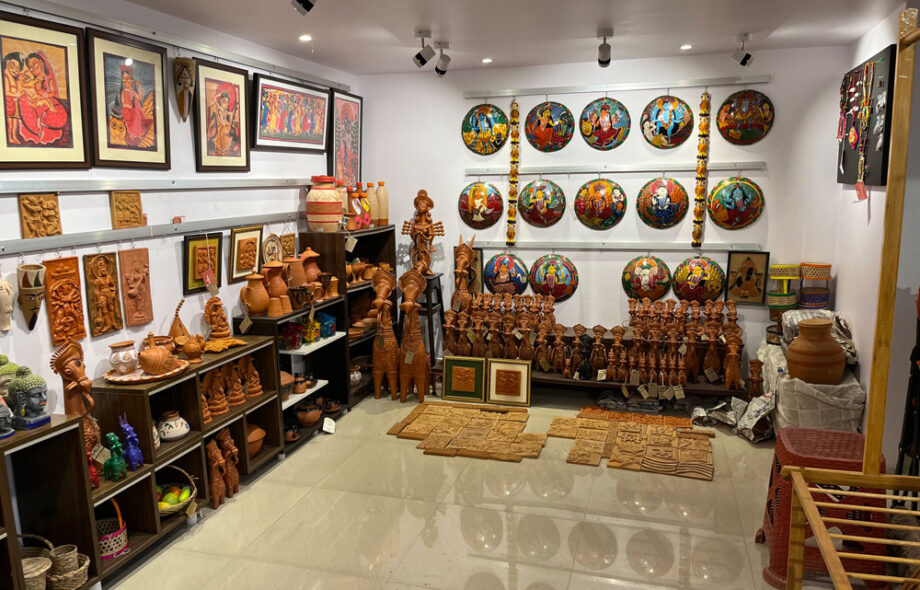
Famous Handicrafts Of West Bengal represent centuries of creativity, tradition, and cultural identity. From delicate embroidery to intricate metalwork, these crafts reflect the artistic spirit of Bengal and the skills passed down through generations of artisans. Each handicraft tells a story—about local communities, history, and the artistic heritage that continues to thrive today.
West Bengal is widely known for its rich culture, literature, music, and art. However, one of its most treasured contributions to India’s cultural landscape is its handicraft tradition. Artisans across villages and towns create beautiful handmade products using natural materials like clay, wood, bamboo, silk, and metal. These crafts are not just decorative objects—they represent the livelihood of thousands of families and preserve cultural traditions that have existed for hundreds of years.
Understanding the famous handicrafts of West Bengal helps us appreciate the depth of Indian craftsmanship and the cultural heritage that makes Bengal unique.
Overview of Famous Handicrafts Of West Bengal
West Bengal has a diverse range of handicrafts influenced by geography, history, and culture. Each district specializes in particular art forms based on local resources and traditions.
For example, rural artisans use clay to create terracotta sculptures, while skilled metalworkers produce ancient Dokra metal art. Textile artisans create exquisite Kantha embroidery and Baluchari silk sarees that are recognized globally.
The Government of India and organizations such as the Development Commissioner (Handicrafts) under the Ministry of Textiles recognize many of these crafts as traditional heritage art forms.
Some of the most famous handicrafts from West Bengal include:
- Terracotta handicrafts
- Kantha embroidery
- Dokra metal craft
- Sholapith craft
- Madur mats
- Patachitra paintings
- Baluchari silk weaving
- Wooden masks of Purulia
- Conch shell carvings
Each craft has its own cultural significance and unique artistic style.
Terracotta Craft: The Clay Art of Bengal
Terracotta craft is one of the oldest and most iconic handicrafts of West Bengal. The word “terracotta” literally means “baked earth,” referring to clay that is shaped and hardened through firing.
History of Terracotta Art
Terracotta art has existed in Bengal for thousands of years. Archaeological findings from ancient sites show that clay sculptures were widely used during early Indian civilizations.
One of the most famous examples of this craft can be seen in the terracotta temples of Bishnupur in the Bankura district. These temples, built during the 17th century by the Malla kings, feature detailed terracotta panels depicting scenes from mythology and daily life.
Popular Terracotta Products
Today, artisans create a variety of terracotta items including:
- Decorative wall panels
- Sculptures and figurines
- Traditional horse statues
- Clay jewelry
- Flower pots and home decor
The Bankura horse is particularly famous and has become a cultural symbol of Bengal.
Why Terracotta Is Special
Terracotta art is admired for its earthy texture, natural color, and handcrafted beauty. Since it is made using natural clay, it is also considered eco-friendly and sustainable.
Kantha Embroidery: Storytelling Through Stitching
Kantha embroidery is one of the most delicate textile handicrafts of West Bengal. It involves creating decorative patterns using simple running stitches.
What Is Kantha Embroidery?
Kantha refers to a traditional embroidery technique where artisans stitch layers of fabric together using intricate hand embroidery patterns.
Originally, women in rural Bengal created Kantha by recycling old sarees and cloth pieces. They layered fabrics together and embroidered them with decorative patterns to make quilts and blankets.
Types of Kantha Products
Today, Kantha embroidery is used to create a wide range of products:
- Sarees
- Shawls
- Cushion covers
- Bedspreads
- Jackets
- Bags
These products are highly valued in international markets because of their handmade authenticity.
Cultural Significance
Kantha embroidery often features motifs inspired by nature, mythology, and daily life. Common designs include flowers, animals, birds, and geometric patterns.
Each Kantha piece is unique because it reflects the creativity of the artisan.
Dokra Metal Craft: Ancient Lost-Wax Technique
Dokra metal craft is a traditional metal casting technique practiced in parts of West Bengal, especially in districts like Bankura, Purulia, and Bardhaman.
What Is Dokra Art?
Dokra refers to a non-ferrous metal casting technique that uses the lost-wax method. This technique has been used in India for more than 4000 years.
The same method was used to create the famous “Dancing Girl” bronze sculpture discovered in the Indus Valley Civilization site of Mohenjo-daro.
How Dokra Craft Is Made
The process involves several steps:
- A clay core is created in the desired shape.
- Wax is applied to form the outer design.
- A clay mold covers the wax structure.
- Molten metal is poured into the mold after heating.
- The wax melts away, leaving a hollow metal figure.
Popular Dokra Items
Dokra artisans create various decorative objects including:
- Tribal figurines
- Jewelry
- Animal sculptures
- Lamps
- Home decor items
Because each piece is handmade, no two Dokra items are exactly the same.
Sholapith Craft: The Art of Ivory-Like Decorations
Sholapith craft is a unique art form made using a soft, milky-white plant known as “shola.” The material is lightweight and resembles ivory.
What Is Sholapith?
Sholapith refers to decorative items carved from the pith of the shola plant. Artisans carefully shape this plant material into delicate ornamental designs.
Traditional Uses of Shola Craft
Shola decorations are widely used in Bengali weddings and religious ceremonies.
Common products include:
- Bridal headgear (Topor)
- Durga Puja decorations
- Floral ornaments
- Decorative idols
These creations are admired for their detailed craftsmanship and elegant appearance.
Madur Mats: Traditional Grass Weaving
Madur mats are another famous handicraft of West Bengal. These mats are woven from natural grass known as “madur kathi.”
Where Madur Mats Are Made
Madur weaving is mainly practiced in the districts of East Midnapore and West Midnapore.
Artisans harvest the grass, dry it, dye it with natural colors, and weave it into mats using traditional handlooms.
Types of Madur Mats
There are different varieties of Madur mats:
- Ek Ranga Madur (single color mats)
- Masland Madur (high-quality decorative mats)
- Patterned mats with intricate designs
Masland mats are particularly famous and were historically used by royal families.
Why Madur Mats Are Popular
Madur mats are comfortable, durable, and eco-friendly. They are widely used as floor mats, sleeping mats, and decorative items.
Patachitra Paintings: Scrolls That Tell Stories
Patachitra is a traditional painting style practiced by rural artists known as “Patuas.”
What Is Patachitra?
Patachitra refers to paintings created on cloth or scrolls that illustrate mythological stories and folk tales.
Artists often sing songs while displaying the scroll paintings, narrating the stories depicted in the artwork.
Themes in Patachitra Art
Common themes include:
- Hindu mythology
- Folk legends
- Social messages
- Historical stories
The paintings are known for their bold colors, intricate details, and expressive storytelling.
Baluchari Silk Sarees: Woven Art of Bengal
Baluchari sarees are among the most luxurious textile handicrafts of West Bengal.
What Makes Baluchari Sarees Unique
Baluchari sarees are woven using fine silk threads and feature elaborate designs inspired by mythology.
The pallu and borders often depict scenes from epics such as the Ramayana and Mahabharata.
Where Baluchari Sarees Are Produced
The town of Bishnupur in Bankura district is the main center for Baluchari weaving.
These sarees are highly valued for their craftsmanship and artistic detail.
Wooden Masks of Purulia
The wooden masks of Purulia are famous for their use in traditional folk dances.
Cultural Importance
These masks are worn during the Chhau dance, a traditional martial dance form recognized by UNESCO as an intangible cultural heritage.
Characteristics of the Masks
The masks are large, colorful, and highly expressive. They often represent characters from mythology such as gods, demons, and warriors.
Artisans carve the masks from wood and decorate them with paint, feathers, and ornaments.
Conch Shell Craft: Sacred Art of Bengal
Conch shell carving is another unique handicraft practiced in coastal areas of West Bengal.
What Is Conch Craft?
Conch craft involves carving decorative designs on shells obtained from the sea.
Traditional Products
Common conch shell products include:
- Bangles worn by Bengali brides
- Religious artifacts
- Decorative showpieces
These items are especially important in Hindu rituals and ceremonies.
Why Famous Handicrafts Of West Bengal Matter Today
Traditional handicrafts are more than artistic creations. They play a vital role in preserving culture and supporting rural livelihoods.
Economic Importance
According to reports from the Ministry of Textiles, India’s handicraft sector provides employment to more than seven million artisans. A significant portion of these artisans come from states like West Bengal.
Handicrafts help sustain rural economies and promote sustainable production methods.
Cultural Preservation
Each handicraft preserves local traditions, myths, and community identity. When people buy handmade crafts, they help keep these traditions alive.
Sustainable and Eco-Friendly Art
Many handicrafts from West Bengal use natural materials such as clay, plant fibers, silk, and wood. This makes them environmentally friendly compared to mass-produced factory goods.
What Makes West Bengal Handicrafts Unique?
Several factors make Bengal’s handicrafts stand out.
First, they combine artistic beauty with everyday utility. Many items such as mats, textiles, and decorative objects serve practical purposes while showcasing craftsmanship.
Second, the designs often reflect regional culture, mythology, and nature.
Third, the techniques used in these crafts have been preserved for centuries. Many artisans learn these skills from family members, ensuring that traditional knowledge continues across generations.
How to Support Local Artisans
Supporting traditional artisans helps preserve cultural heritage and strengthen local economies.
Here are simple ways to help:
Buy Authentic Handicrafts
Purchasing handmade products directly supports artisans and their communities.
Promote Handmade Products
Sharing information about traditional crafts encourages more people to appreciate and buy them.
Visit Craft Villages
Traveling to craft villages allows visitors to see artisans at work and understand the cultural significance behind each craft.
Frequently Asked Questions
What are the most famous handicrafts of West Bengal?
Some of the most famous handicrafts include terracotta sculptures, Kantha embroidery, Dokra metal craft, Sholapith art, Madur mats, Patachitra paintings, Baluchari silk sarees, and Purulia wooden masks.
Why are West Bengal handicrafts important?
They preserve cultural traditions, provide employment to artisans, and represent the artistic heritage of Bengal.
Where can you buy authentic Bengal handicrafts?
Authentic handicrafts can be purchased from local craft fairs, government handicraft emporiums, artisan cooperatives, and cultural festivals.
Are Bengal handicrafts eco-friendly?
Yes. Many crafts use natural materials like clay, bamboo, plant fibers, silk, and wood, making them environmentally sustainable.
Final Thoughts
Famous Handicrafts Of West Bengal reflect the soul of Bengal’s culture and creativity. From the earthy beauty of terracotta sculptures to the intricate elegance of Kantha embroidery, each craft represents centuries of tradition and artistic mastery.
These handicrafts are not just beautiful objects. They are living traditions carried forward by skilled artisans who dedicate their lives to preserving heritage and craftsmanship.
By learning about and supporting these crafts, we contribute to preserving cultural history and sustaining artisan communities.
If you enjoyed learning about the famous handicrafts of West Bengal, consider sharing this article with others or exploring more guides on Indian art and culture. Your support helps keep these traditional art forms alive for future generations.
 :
https://srejonee.com/bengal-handicrafts/
:
https://srejonee.com/bengal-handicrafts/