

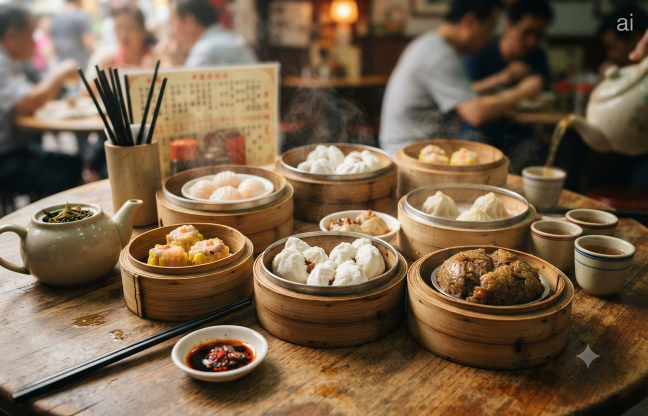
Dim sum, a traditional Chinese cuisine, has gained popularity worldwide for its delicious flavors and unique cultural experience. From steamed dumplings to savory buns, dim sum encompasses a wide variety of dishes that are perfect for sharing with friends and family. In this blog post, we will dive into the details of a traditional dim sum recipe, exploring the ingredients, cooking techniques, and cultural significance behind this beloved culinary tradition.
One of the key components of a traditional dim sum recipe is the wrapper, which is used to encase the flavorful filling of the dish. Typically made from a combination of wheat flour, water, and sometimes egg, the wrapper can vary in thickness depending on the type of dim sum being made. Whether it’s a delicate har gow (shrimp dumpling) or a hearty char siu bao (barbecue pork bun), the wrapper plays a crucial role in providing structure and texture to the dish.
The filling of a traditional dim sum recipe can range from tender meats to fresh vegetables, all seasoned with a blend of traditional Chinese spices and sauces. Common ingredients used in dim sum fillings include pork, shrimp, mushrooms, and bamboo shoots, each adding their own unique flavors and textures to the dish. The filling is often minced or finely chopped to ensure even distribution within the wrapper, creating a harmonious balance of flavors in every bite.
When it comes to cooking techniques, steaming is a popular method used in preparing dim sum dishes. Steaming allows the ingredients to cook gently and evenly, preserving their natural flavors and nutrients. Whether it’s a bamboo steamer or a metal steaming basket, the vessel used for steaming plays a crucial role in ensuring that the dim sum is cooked to perfection. Additionally, dim sum can also be fried, baked, or boiled, offering a variety of textures and flavors to suit every palate.
In addition to its culinary appeal, dim sum holds a special place in Chinese culture as a social dining experience. Traditionally served in small bamboo baskets or plates, dim sum is meant to be shared among diners, fostering a sense of community and togetherness. From bustling dim sum restaurants to intimate family gatherings, the tradition of sharing dim sum creates a warm and inviting atmosphere where conversations flow freely and bonds are strengthened.
In conclusion, a traditional dim sum recipe is a celebration of flavors, textures, and cultural heritage. From the delicate art of wrapper-making to the savory fillings and the communal dining experience, dim sum offers a sensory journey that is both satisfying and enriching. Whether you’re a seasoned dim sum enthusiast or a curious foodie looking to expand your culinary horizons, exploring the world of traditional dim sum recipes is sure to delight your taste buds and nourish your soul.
- Simplify Sales. Maximize Profits. Run Your Business Smarter with Truffle POS.
 :
https://in.pinterest.com/trufflesystemsapac/
:
https://in.pinterest.com/trufflesystemsapac/