


It’s one of the most annoying things in any home. You finish cooking dinner, you go to clean up, and boom — the water won’t go down. Maybe it’s slow. Maybe it’s totally blocked. Either way, it ruins your evening.
Here’s the thing: kitchen sink clogs are not random. They happen for very specific reasons. And once you understand those reasons, you can fix the problem fast — and stop it from coming back.
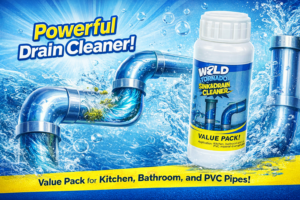
👉 Try SavingStars Drain Cleaner Today — Best Price + Free Shipping
In this complete guide, we cover everything you need to know about drain cleaners for kitchen sinks. What causes the clog, which type of cleaner works best, how to use it, and how to keep your drain flowing freely all year long.
Let’s get into it.
Why Does the Kitchen Sink Clog So Often?
The kitchen sink is one of the hardest-working drains in your entire home. Every single day, it deals with food scraps, grease, soap, and dirty water. Over time, all of that stuff builds up inside your pipes — and that is when the problems start.
Here are the most common reasons your kitchen sink gets clogged:
🍳 Cooking Grease and Oil This is the number one cause of kitchen sink clogs in America. The moment you pour hot grease or cooking oil down the kitchen sink drain, it begins to cool and solidify. It sticks to the inside walls of your drain pipe, where it traps food scraps and even more grease. Over time, this creates a thick, sticky blockage that gets harder and harder to remove.
🥦 Food Particles Even if you have a garbage disposal, tiny bits of food still make it through. Pasta, rice, and vegetable peels are especially bad because they absorb water and expand inside the pipe.
🧼 Soap Scum Dish soap sounds harmless, but it mixes with grease and food bits to create a thick, sticky coating on the inside of your pipes.
💧 Hard Water Mineral Buildup If you live in an area with hard water — which is common across many US states — minerals like calcium and magnesium can build up inside your pipes over time, making clogs worse.
The scary part? Initial warning signs of a grease-clogged drain include a gurgling noise, standing water in your kitchen sink, and foul odors in your kitchen. It only takes a few weeks for grease accumulation to cause serious plumbing issues. So the sooner you act, the better.
Types of Drain Cleaners for Kitchen Sinks
Not all drain cleaners are the same. When it comes to kitchen sinks, you need to pick the right type for the right job. Here is a simple breakdown:
1. Chemical Liquid Cleaners These are the most common type you will find at grocery stores. Caustic drain cleaners can include ingredients like lye (sodium hydroxide), caustic potash, and bleach. Lye’s corrosiveness allows it to break down grease and organic material like hair and food particles. They work fast — but they come with serious downsides. They can release harmful fumes, are dangerous if they touch your skin, and over time they can damage your pipes.
2. Granular / Powder Cleaners These are poured into the drain and activated with hot water. Granular formulas often heat up to melt grease and are good for preventive maintenance. Powder-based foaming cleaners like SavingStars Drain Cleaner fall into this category — but with a much safer, non-corrosive formula.
3. Enzyme-Based Cleaners Enzymatic drain cleaners offer a gentler alternative to harsh chemicals. Bio-enzymatic products break down stuck material into smaller particles, which beneficial bacteria then digest. They are safer for pipes and the environment but work more slowly — sometimes needing hours or overnight to work.
4. Foaming Drain Cleaners This is the newest and most effective category for kitchen sinks. Products like SavingStars Drain Cleaner use a powder-to-foam reaction. When you add hot water, the powder expands into a thick foam that coats the entire inside of your pipe — not just a tiny stream down the middle. This means it reaches grease stuck to the pipe walls, which liquid cleaners often miss completely.
Why Kitchen Sink Clogs Are Different From Bathroom Clogs
A lot of people make the mistake of using the same drain cleaner for every drain in the house. But here is something important to know: kitchen sink clogs are typically caused by grease, food particles, soap scum, and organic buildup. Unlike bathroom drains, kitchen clogs often involve fatty substances that can solidify and create stubborn blockages deep in your pipes.
Bathroom clogs are mostly hair and soap. Kitchen clogs are mostly grease and food. These two types of blockages need different approaches. A product that is great at dissolving hair may not be powerful enough to cut through hardened cooking grease deep in a pipe.
That is exactly why you need a drain cleaner that is specifically designed to tackle grease — like a foaming powder cleaner that heats up and expands to melt the grease coating off the inside of your pipes.
How to Use a Drain Cleaner in Your Kitchen Sink (Step-by-Step)
Using a drain cleaner is easy. Here is a simple step-by-step guide anyone can follow:
Step 1 — Remove Standing Water If there is still water sitting in your sink, scoop out as much as you can with a cup or sponge. This helps the cleaner reach the clog faster.
Step 2 — Pour the Cleaner Into the Drain Measure the right amount using the product’s cap or instructions. Pour it directly into the drain opening.
Step 3 — Add Hot Water Pour about 4 cups (1,000 ml) of hot water into the drain. This activates the cleaning reaction. For foaming cleaners like SavingStars, this is when the foam starts expanding deep inside the pipe.
Step 4 — Wait This is the most important step — be patient! Let the cleaner sit and work for at least 20 minutes. For tougher grease clogs, waiting 30 minutes gives even better results.
Step 5 — Flush With Hot Water Run hot water from your tap for 1–2 minutes to flush out all the dissolved grease and debris. Your drain should now flow freely.
Step 6 — Repeat If Needed For very stubborn clogs, wait 48 hours and apply a second treatment. Most grease clogs fully clear within one or two treatments.
Why SavingStars Drain Cleaner Is the Best Choice for Kitchen Sinks
There are a lot of drain cleaners on the market. So why do we recommend SavingStars Drain Cleaner for your kitchen sink?
Here is the honest answer — it is not just about cleaning power. It is about cleaning power combined with safety.
Many popular liquid drain cleaners use harsh acids and chemicals. Chemical drain cleaners are also highly toxic. They release fumes that are harmful to humans and pets, and can lead to long-term water pollution. That is a real problem when you are using these products in your kitchen — the same place where you prepare food for your family.
SavingStars Drain Cleaner is different:
- Foaming action — The foam expands and coats the full interior of the pipe, getting to grease stuck on the pipe walls — not just the gunk sitting in the middle of the drain.
- Non-corrosive formula — It will not damage your PVC, metal, or older pipes. Safe for long-term regular use.
- No harsh chemical fumes — Completely safe to use in your kitchen with no strong chemical smell left behind.
- Works in 20 minutes — One of the fastest-acting non-corrosive drain cleaners available.
- Kills odor bacteria — Destroys the bacteria inside your pipes that cause that horrible rotten food smell coming from the drain.
- Septic-safe — If your home uses a septic system, SavingStars is safe to use without harming the system.
- 4.7 out of 5 stars — Backed by over 8,000 verified US customer reviews.
- 30-Day Money-Back Guarantee — Try it completely risk-free.
👉 Click Here to Get SavingStars Drain Cleaner at the Best Price Today
How to Prevent Kitchen Sink Clogs — 7 Simple Tips
The best clog is the one that never happens. Here are 7 simple habits that will keep your kitchen sink drain clear and flowing all year long:
1. Never Pour Grease Down the Drain This is the golden rule. Let cooking grease cool down in a container, then throw it in the trash. Even a small amount of grease poured down the drain regularly will cause a major clog over time.
2. Use a Sink Strainer A cheap mesh strainer placed over your drain will catch food particles before they go down the pipe. This one simple tool prevents countless clogs every year.
3. Run Hot Water After Every Use After washing dishes, run the hot tap for 30–60 seconds. This helps push any grease or food residue further down the pipe before it can harden and stick.
4. Use SavingStars Once a Week for Maintenance This is the secret weapon. Many US homeowners use SavingStars Drain Cleaner once a week — not because the drain is clogged, but to prevent it from ever getting clogged. A quick weekly treatment takes less than 5 minutes and keeps your pipes spotlessly clean.
5. Avoid Putting These Foods Down the Drain Even with a garbage disposal, avoid sending pasta, rice, potato peels, coffee grounds, and eggshells down the drain. These foods expand in water and create nasty blockages.
6. Clean Your Drain Cover Regularly Soap scum and food build up on the drain cover itself. Give it a quick scrub once a week to stop buildup at the source.
7. Do a Deep Clean Monthly Once a month, pour a full treatment of SavingStars Drain Cleaner down the kitchen sink drain and let it sit for 30 minutes. This deep clean removes any buildup that has collected over the past few weeks, keeping your pipes in great shape.
Warning Signs Your Kitchen Drain Needs Attention Right Now
Do not ignore these signs. If you notice any of the following, it is time to use a drain cleaner today — before the problem gets worse and more expensive:
- 🔴 Water drains very slowly — even a small amount of standing water is a warning sign
- 🔴 Gurgling sounds coming from the drain when water goes down
- 🔴 Bad smell coming from the sink — especially a rotten or sour odor
- 🔴 Water backs up into the sink when the dishwasher runs
- 🔴 You can see buildup around the drain opening
Catching these early and using a quality drain cleaner immediately can save you from a much bigger — and much more expensive — problem down the road.
Frequently Asked Questions (FAQs)
Q1: What is the best drain cleaner for a kitchen sink with grease buildup? A foaming powder drain cleaner like SavingStars is the best choice for kitchen grease. The foam expands along the pipe walls and melts the grease buildup that liquid cleaners flow right past.
Q2: Is it safe to use drain cleaner in a kitchen sink with a garbage disposal? Yes — as long as you use a non-corrosive formula. Always check the label. SavingStars Drain Cleaner is safe for use in kitchen sinks and does not damage garbage disposals.
Q3: How often should I use drain cleaner in my kitchen sink? For maintenance, once a week is ideal. For an active clog, use it immediately and repeat after 48 hours if needed.
Q4: Why does my kitchen sink smell bad even after cleaning? The smell usually comes from bacteria living inside your pipe walls, feeding on trapped grease and food residue. A foaming drain cleaner that kills odor bacteria — like SavingStars — will remove the smell at the source, not just cover it up.
Q5: Can I use baking soda and vinegar to unclog my kitchen sink? This home remedy is very popular, but experts say it is not very effective on grease clogs. The baking soda in this remedy can actually stick to the grease in your pipes and only worsen the blockage. A proper drain cleaner is a much better choice.
Q6: How do I know if my kitchen sink clog is serious? If the drain is completely blocked, water backs up into multiple fixtures, or you hear gurgling from your other drains, you may have a main sewer line issue and should call a plumber. For everyday slow drains and partial clogs, a quality drain cleaner will handle it.
Q7: Where can I buy SavingStars Drain Cleaner? It is available exclusively through the official website. Buying direct ensures you get the genuine product, the best price, and the 30-day money-back guarantee.
Q8: Does SavingStars work on really old pipes? Yes. Its non-corrosive formula is specifically designed to be safe on all pipe types, including older plumbing systems that more aggressive chemical cleaners could damage.
Final Thoughts: Keep Your Kitchen Sink Flowing Like New
A clogged kitchen sink is frustrating, messy, and expensive if you let it get out of control. But the good news is — it is completely preventable with the right drain cleaner and a few simple habits.
Stop pouring grease down the drain. Use a sink strainer. And make SavingStars Drain Cleaner part of your weekly cleaning routine. You will be amazed at how much better your kitchen sink drains — and how much money you save by never having to call a plumber for a simple grease clog again.
With over 8,000 satisfied US customers, a 4.7-star rating, and a risk-free 30-day money-back guarantee, SavingStars is the smartest choice for keeping your kitchen sink drain clean, clear, and odor-free.
Reference URLs:- https://www.facebook.com/draincleanerreviews/
https://www.instagram.com/p/DXWXiozjm8A/
https://wokwi.com/projects/461818732516452353
https://www.commudle.com/users/draincleaner
https://form.jotform.com/synapsylreview/drain-cleaner-the-1-fix-for-clogged
 :
: