

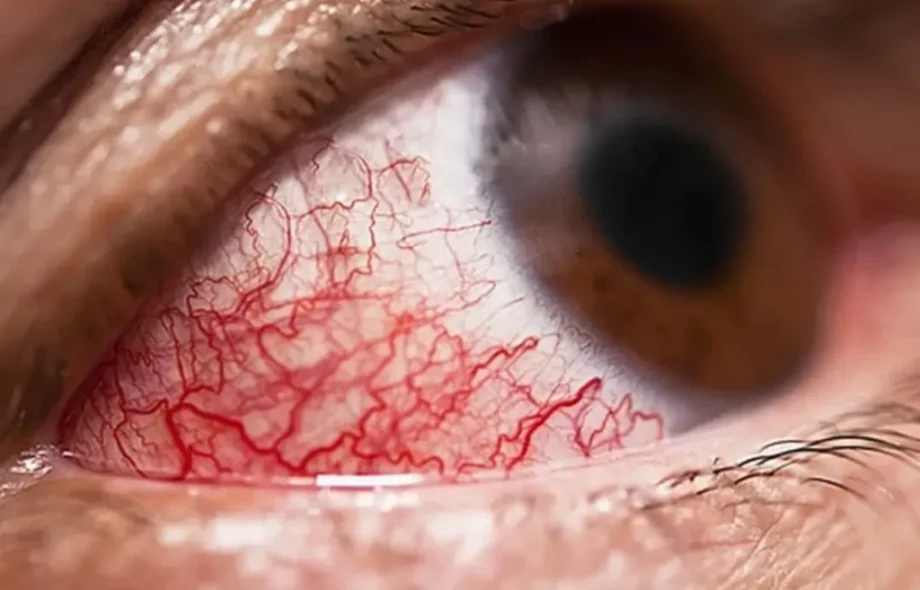
The human eye is an incredibly delicate and complex organ, allowing us to experience the world in vivid color and detail. Among the many parts of the eye, the retina plays a crucial role. It is the light-sensitive layer at the back of the eye that converts light into electrical signals, which are then sent to the brain to form images. Maintaining retinal health is essential for clear vision, and any problems in this area can significantly impact daily life.
If you are experiencing blurred vision, dark spots, flashes of light, or sudden loss of vision, it is important to seek professional evaluation promptly. Finding the best retina specialist in dubai ensures that you receive accurate diagnosis, timely treatment, and ongoing care for your eye health.
Understanding the Retina
The retina is a thin layer of tissue that lines the inside of the back of the eye. It contains millions of light-sensitive cells called photoreceptors, which are divided into rods and cones. Rods are responsible for vision in low light conditions, while cones detect color and fine details. Together, they allow us to see the world around us in clarity.
Any damage to the retina can result in partial or complete loss of vision. Common retinal problems include retinal detachment, macular degeneration, diabetic retinopathy, and retinal vein or artery occlusions. Early detection and treatment are critical to prevent permanent vision loss.
Common Retinal Disorders
1. Diabetic Retinopathy
Diabetic retinopathy is a common complication of diabetes and occurs when high blood sugar levels damage the blood vessels in the retina. It may develop slowly and often goes unnoticed until vision changes occur. Symptoms can include blurred vision, floaters, dark spots, and difficulty seeing at night. Regular eye exams are essential for early detection, particularly for people with diabetes.
2. Macular Degeneration
Macular degeneration affects the macula, the central part of the retina responsible for sharp, detailed vision. This condition can make it difficult to read, recognize faces, or see fine details. Age-related macular degeneration (AMD) is the most common type and usually affects people over 50. Treatment options include medications, laser therapy, and lifestyle changes to slow disease progression.
3. Retinal Detachment
Retinal detachment occurs when the retina separates from the underlying tissue, leading to sudden vision loss if untreated. Warning signs include flashes of light, floaters, and a shadow or curtain over part of the visual field. This is a medical emergency, and prompt treatment with laser therapy, cryotherapy, or surgery can prevent permanent blindness.
4. Retinal Vein and Artery Occlusions
These conditions involve blockages in the retinal blood vessels and can lead to sudden vision loss. Retinal vein occlusion is often linked to high blood pressure, diabetes, or glaucoma. Symptoms may include blurred vision or visual field defects. Immediate evaluation by a retina specialist is necessary for proper treatment.
5. Other Retinal Disorders
Other issues affecting the retina include inherited retinal diseases, retinal inflammation (retinitis), retinal tears, and complications from trauma or infections. Each condition requires a customized approach to care and monitoring.
Signs You Need a Retina Specialist
Not all eye problems are caused by retinal issues, but certain symptoms may indicate the need for specialized care. These include:
-
Sudden or gradual loss of vision
-
Appearance of floaters or spots in vision
-
Flashes of light or visual distortions
-
Difficulty reading or seeing fine details
-
Pain or pressure in the eyes accompanied by vision changes
Early evaluation is key. Retina specialists have the tools and expertise to identify problems that may not be noticeable in a routine eye exam.
Retina Evaluation Process
A comprehensive retinal evaluation typically includes several steps:
1. Medical History and Symptoms Review
The specialist will start by reviewing your medical history, eye health history, and current symptoms. Conditions such as diabetes, hypertension, or prior eye injuries are relevant to retinal health.
2. Visual Acuity Test
This standard test measures how well you see at different distances. It helps identify changes in central vision and can indicate early retinal issues.
3. Dilated Eye Exam
During a dilated exam, eye drops are used to widen the pupils, allowing the specialist to examine the retina and optic nerve thoroughly. This procedure helps detect abnormalities such as retinal tears, detachment, or macular degeneration.
4. Imaging Tests
Advanced imaging technologies provide detailed views of the retina:
-
Optical Coherence Tomography (OCT): Captures high-resolution cross-sectional images of the retina to detect swelling, thinning, or structural damage.
-
Fluorescein Angiography: Uses dye to highlight blood vessels in the retina, identifying blockages or leakage.
-
Fundus Photography: Provides detailed images of the retina for documentation and monitoring of changes over time.
5. Functional Tests
Additional tests, such as visual field analysis or electroretinography (ERG), assess the function of the retina and help diagnose specific conditions.
Treatments Offered by Retina Specialists
The treatment approach depends on the specific retinal condition and its severity. Common options include:
1. Medications
Certain retinal conditions can be managed with medication, including:
-
Anti-VEGF injections for macular degeneration or diabetic retinopathy
-
Steroid injections to reduce inflammation or swelling
-
Medications to manage underlying conditions such as diabetes or high blood pressure
2. Laser Therapy
Laser treatments can seal retinal tears, reduce abnormal blood vessel growth, and prevent further damage. This procedure is precise and minimally invasive, often performed on an outpatient basis.
3. Vitrectomy Surgery
Vitrectomy is a surgical procedure to remove vitreous gel from the eye, often necessary for severe retinal detachment, bleeding in the eye, or complicated diabetic retinopathy. This surgery allows the retina to be reattached and restored to proper position.
4. Lifestyle and Preventive Measures
Preventing retinal problems or slowing disease progression can be achieved through:
-
Regular eye exams, especially if you have risk factors such as diabetes or hypertension
-
Maintaining healthy blood sugar and blood pressure levels
-
Eating a diet rich in leafy greens, antioxidants, and omega-3 fatty acids
-
Protecting eyes from UV damage with sunglasses
-
Avoiding smoking, which can increase the risk of macular degeneration
Choosing the Best Retina Specialist in Dubai
Selecting a highly skilled and experienced retina specialist is essential for ensuring optimal care. Consider the following factors:
-
Experience and Expertise: Look for specialists with extensive training in retina care and advanced procedures.
-
Technology and Facilities: Modern diagnostic tools and surgical equipment improve treatment accuracy and outcomes.
-
Patient Reviews: Feedback from patients can give insight into the quality of care and communication.
-
Comprehensive Care: A good retina specialist will offer a complete range of evaluations, treatments, and follow-up care.
Dubai offers a wide range of ophthalmology services, but seeking the best retina specialist in Dubai ensures personalized care, early detection of serious conditions, and access to the latest treatment options.
Preparing for Your Retina Consultation
To make the most of your appointment:
-
Bring your medical records and a list of current medications
-
Note any vision changes or symptoms you have noticed
-
Prepare questions about treatment options, risks, and recovery times
-
Discuss lifestyle factors and preventive measures relevant to your eye health
A thorough consultation allows the retina specialist to develop a tailored care plan.
Importance of Regular Eye Exams
Even if you are not experiencing symptoms, regular eye exams are crucial. Many retinal conditions develop slowly and may not produce noticeable symptoms until significant damage occurs. Early detection through routine screening can prevent vision loss and improve treatment outcomes.
-
Adults should have a comprehensive eye exam every 1–2 years
-
People with diabetes or high-risk conditions may need more frequent evaluations
-
Seniors over 50 are particularly encouraged to monitor for age-related macular degeneration
Conclusion
The retina is a vital part of the eye, responsible for converting light into the images we see. Maintaining its health is essential for preserving vision and quality of life. If you notice any changes in your vision or have risk factors for retinal diseases, seeking professional care promptly is critical.
For those looking for expert care, Dr. Mandeep Lamba is recognized as one of the leading experts in retinal evaluation and treatment. With extensive experience and advanced diagnostic and surgical capabilities, Dr. Lamba provides comprehensive care for various retinal conditions. Choosing the best retina specialist in Dubai ensures that your eyes receive the highest standard of care, personalized treatment, and guidance for long-term retinal health.
 :
https://drmandeeplamba.com/
:
https://drmandeeplamba.com/