

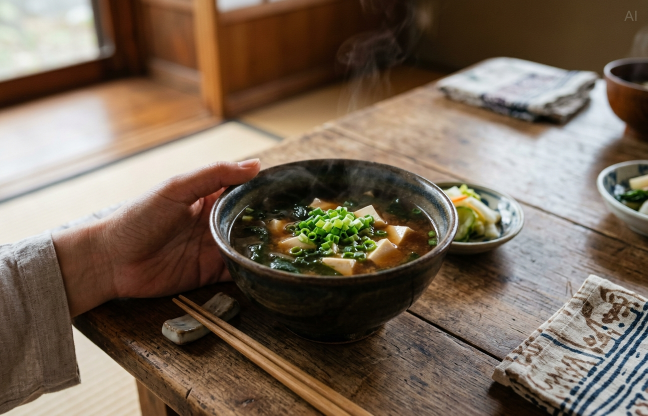
Miso soup is a staple in Japanese cuisine, known for its savory umami flavor and health benefits. Made with fermented soybean paste, miso soup is a versatile dish that can be customized with various ingredients. While many people enjoy miso soup at restaurants, making it at home allows you to control the ingredients and create a truly authentic experience.
To make traditional Japanese miso soup, you will need just a few key ingredients: miso paste, dashi stock, tofu, seaweed, and green onions. Dashi stock, a fundamental ingredient in Japanese cooking, is typically made from kombu (dried kelp) and bonito flakes (dried, fermented, and smoked skipjack tuna). If you’re short on time, you can use instant dashi granules or packets, which are readily available at most Asian grocery stores.
To start, begin by preparing the dashi stock. In a pot, add water and kombu, allowing it to steep over low heat for about 30 minutes. Remove the kombu, then bring the water to a simmer and add the bonito flakes. Let it simmer for a few minutes before straining out the bonito flakes. You now have a flavorful dashi stock as the base for your miso soup.
Next, add cubed tofu to the dashi stock and bring it to a gentle simmer. Tofu is a traditional addition to miso soup, providing a creamy texture and added protein. Then, take a spoonful of miso paste and dissolve it in a small amount of the hot dashi stock to ensure it mixes evenly. Once dissolved, add the miso mixture back into the pot and stir gently to combine. Be careful not to boil the miso, as high heat can destroy its delicate flavor.
For a traditional touch, add sliced seaweed such as wakame to the miso soup. Wakame is a type of edible seaweed that adds a slightly salty and oceanic flavor to the dish. Let the seaweed rehydrate in the hot soup for a few minutes before adding sliced green onions for freshness and color.
Serve the miso soup hot in small bowls and enjoy its comforting warmth and rich umami taste. Feel free to customize your miso soup with additional ingredients like mushrooms, spinach, or clams for a more complex flavor profile. Experiment with different types of miso paste, as each variety offers a unique taste ranging from mild and sweet to strong and salty.
Making traditional Japanese miso soup at home is a rewarding experience that allows you to appreciate the simplicity and depth of flavors in this iconic dish. Whether enjoyed as a light appetizer or a comforting meal, miso soup is a versatile and nutritious option for any occasion.
- Simplify Sales. Maximize Profits. Run Your Business Smarter with Truffle POS.
 :
https://in.pinterest.com/trufflesystemsapac/
:
https://in.pinterest.com/trufflesystemsapac/