

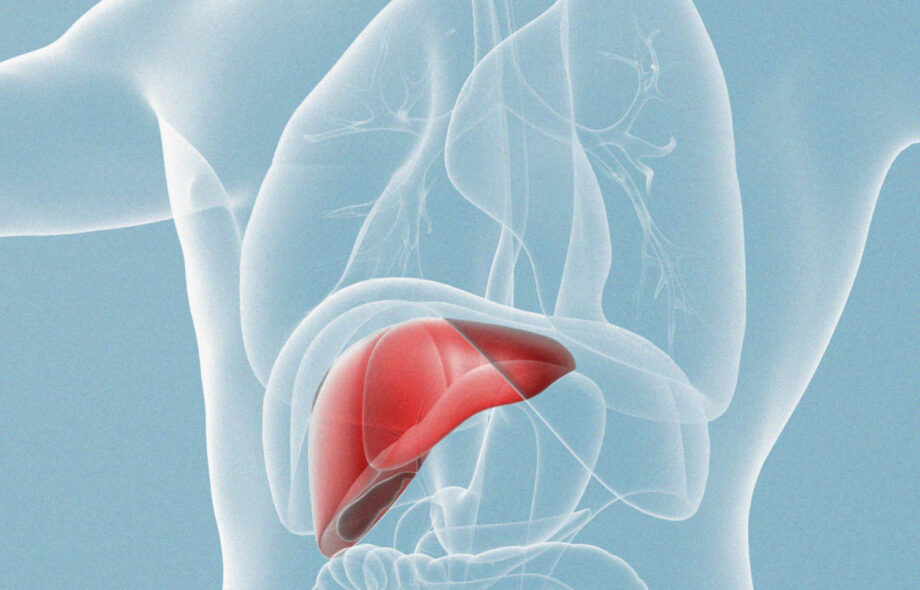
The liver is one of the most important organs in the human body. It helps clean your blood, supports digestion, stores energy, and protects you from harmful substances. When the liver is not working properly, it can affect your overall health in many ways.
Many people ignore early signs of liver problems because they may seem mild or confusing. However, understanding when to seek help from a specialist can make a big difference in treatment and recovery. If you are dealing with ongoing symptoms or risk factors, consulting a hepatologist dubai specialist can help you get the right diagnosis and care.
This article explains when you should see a liver specialist, common symptoms to watch for, risk factors, and what to expect during your visit.
What Does a Hepatologist Do?
A hepatologist is a doctor who specializes in diagnosing and treating liver diseases. They also manage conditions related to the gallbladder, bile ducts, and pancreas.
These specialists are trained to handle both simple and complex liver conditions, such as:
-
Fatty liver disease
-
Hepatitis infections
-
Liver cirrhosis
-
Liver tumors
-
Alcohol-related liver damage
They use advanced tests and treatments to understand your condition and create a care plan that suits your needs.
Why Liver Health Is Important
Your liver performs many important functions, including:
-
Filtering toxins from the blood
-
Helping digest fats through bile production
-
Storing vitamins and minerals
-
Supporting metabolism and energy levels
When the liver is damaged, these functions slow down or stop working properly. This can lead to serious health problems if not treated early.
Common Signs You Should Not Ignore
Many liver problems start silently. But as the condition worsens, certain symptoms may appear.
1. Constant Fatigue
Feeling tired all the time without a clear reason could be linked to liver issues. The liver plays a role in energy production, so problems can lead to ongoing fatigue.
2. Yellowing of Skin or Eyes
This condition is known as jaundice. It happens when there is too much bilirubin in the blood due to poor liver function.
3. Abdominal Pain or Swelling
Pain in the upper right side of your abdomen may indicate liver inflammation. Swelling could also be caused by fluid buildup.
4. Nausea and Loss of Appetite
Digestive issues such as nausea, vomiting, or loss of appetite can be early signs of liver trouble.
5. Dark Urine and Pale Stool
Changes in urine or stool color can be linked to problems in bile production and liver function.
6. Easy Bruising or Bleeding
If your liver is not producing enough clotting proteins, you may notice more bruises or bleeding.
If you experience any of these symptoms, it is important to seek medical advice early.
When Should You See a Hepatologist?
Not every liver concern requires immediate specialist care, but certain situations make it necessary.
Persistent Symptoms
If symptoms like fatigue, abdominal pain, or nausea last for more than a few weeks, it is a good idea to consult a specialist.
Abnormal Blood Test Results
If routine blood tests show high liver enzymes, your doctor may refer you to a hepatologist for further evaluation.
Diagnosis of Liver Disease
If you have already been diagnosed with a liver condition, a specialist can provide advanced care and monitoring.
Family History of Liver Disease
Genetic conditions can increase your risk. Early consultation helps in prevention and early treatment.
Long-Term Alcohol Use
Excessive alcohol intake can damage the liver over time. A specialist can assess the level of damage and suggest treatment.
Obesity or Diabetes
These conditions increase the risk of fatty liver disease. Regular monitoring is important.
Common Liver Conditions Treated
A hepatologist treats a wide range of liver-related problems. Here are some of the most common ones:
Fatty Liver Disease
This occurs when fat builds up in the liver. It is often linked to obesity, poor diet, or diabetes.
Hepatitis
This is inflammation of the liver, usually caused by viral infections like Hepatitis B or C.
Liver Cirrhosis
This is a late-stage condition where healthy liver tissue is replaced by scar tissue.
Liver Cancer
Early detection is important for effective treatment.
Alcohol-Related Liver Disease
Long-term alcohol use can lead to serious liver damage.
Risk Factors for Liver Problems
Understanding your risk can help you take early action. Some common risk factors include:
-
Unhealthy diet
-
Lack of physical activity
-
Excessive alcohol consumption
-
Viral infections
-
Obesity
-
Diabetes
-
Certain medications
If you have one or more of these risk factors, regular check-ups are important.
Tests Used to Diagnose Liver Conditions
A hepatologist may recommend different tests to understand your liver health.
Blood Tests
These check liver enzyme levels and help detect inflammation or damage.
Ultrasound
This imaging test shows the size and shape of the liver.
CT Scan or MRI
These provide detailed images for better diagnosis.
Liver Biopsy
A small tissue sample is taken to examine the condition of the liver.
FibroScan
This test measures liver stiffness and helps detect fibrosis or cirrhosis.
These tests are safe and help doctors make accurate decisions.
What to Expect During Your Visit
When you visit a hepatologist, the process is simple and focused on your comfort.
Medical History Review
The doctor will ask about your symptoms, lifestyle, and family history.
Physical Examination
They may check your abdomen and look for signs like swelling or jaundice.
Test Recommendations
Based on your condition, the doctor may suggest further tests.
Treatment Plan
After diagnosis, you will receive a clear plan that may include medication, lifestyle changes, or follow-up visits.
Treatment Options for Liver Problems
Treatment depends on the type and stage of the condition.
Lifestyle Changes
-
Healthy diet
-
Regular exercise
-
Avoiding alcohol
-
Maintaining a healthy weight
Medications
These may help reduce inflammation, fight infections, or manage symptoms.
Monitoring and Follow-Up
Regular check-ups help track progress and prevent complications.
Advanced Treatments
In severe cases, procedures or surgery may be required.
How to Protect Your Liver
Taking care of your liver can prevent many problems.
Eat a Balanced Diet
Include fruits, vegetables, whole grains, and lean proteins.
Stay Active
Regular physical activity supports liver health.
Limit Alcohol Intake
Avoid excessive drinking.
Get Vaccinated
Vaccines are available for certain types of hepatitis.
Avoid Self-Medication
Some drugs can harm the liver if taken without guidance.
Importance of Early Detection
Early detection can make a big difference in treatment success. Many liver diseases can be managed effectively if diagnosed in the early stages.
Ignoring symptoms or delaying care may lead to serious complications. That is why regular health check-ups are important, especially if you have risk factors.
Choosing the Right Specialist
When looking for a hepatologist, consider:
-
Experience in treating liver diseases
-
Access to advanced diagnostic tools
-
Patient-focused approach
-
Clear communication
Choosing the right doctor ensures you receive accurate diagnosis and proper care.
Conclusion
Liver health plays a vital role in your overall well-being. Many liver problems develop slowly and may not show clear symptoms at first. Recognizing early signs and knowing when to seek help can prevent serious complications.
If you are experiencing ongoing symptoms, have abnormal test results, or fall under high-risk categories, consulting a specialist is the best step forward. Timely care can improve your quality of life and protect your health.
For expert guidance and personalized liver care, you can consult Dr. Neil Philip Galletly, who provides professional support and treatment for a wide range of liver conditions.
 :
https://drneilgalletly.com/
:
https://drneilgalletly.com/