

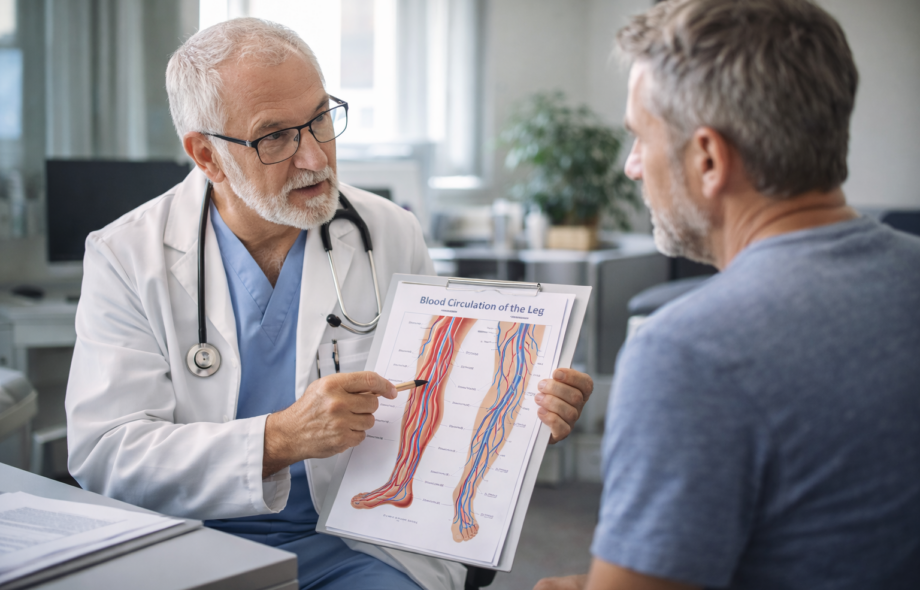
Your vascular system — a complex network of arteries and veins — carries blood throughout your body. When something goes wrong in this system, it can lead to serious health complications if left untreated. Unfortunately, many people ignore early warning signs, assuming they are minor issues.
Consulting a vascular specialist at the right time can prevent long-term damage and even save limbs or lives. Let’s understand when you should consider seeing a vascular surgeon.
What Is Vascular Disease?
Vascular disease refers to conditions affecting arteries, veins, and lymphatic circulation. These include:
Peripheral Artery Disease (PAD)
Varicose veins
Deep Vein Thrombosis (DVT)
Carotid artery disease
Aortic aneurysms
Diabetic foot complications
These conditions may develop gradually and often present subtle symptoms in the early stages.
Early Warning Signs You Should Not Ignore
1. Leg Pain While Walking (Claudication)
If you experience cramping or pain in your legs during walking that improves with rest, it may indicate Peripheral Artery Disease. Reduced blood flow to the leg muscles is a common cause.
2. Non-Healing Wounds on Feet or Legs
Wounds that take weeks to heal — especially in diabetic patients — can signal poor circulation. Delaying treatment increases the risk of infection and amputation.
3. Swollen, Heavy, or Aching Legs
Persistent swelling may be linked to venous insufficiency or even Deep Vein Thrombosis. If swelling is sudden and painful, it requires urgent medical attention.
4. Visible Varicose Veins
Bulging, twisted veins may seem cosmetic at first, but they can lead to pain, skin discoloration, and ulcers if untreated.
5. Sudden Dizziness or Mini-Stroke Symptoms
Blocked carotid arteries can reduce blood flow to the brain, increasing stroke risk. Symptoms like sudden weakness, slurred speech, or facial drooping need emergency care.
Who Is at Higher Risk?
You may be at greater risk of vascular disease if you:
Have diabetes
Smoke or have a history of smoking
Have high blood pressure
Have high cholesterol
Are overweight
Have a family history of vascular conditions
Regular screening is especially important if you fall into any of these categories.
Modern Treatment Options
Today, many vascular conditions can be treated using minimally invasive endovascular techniques. These include:
Angioplasty and stenting
Laser treatment for varicose veins
Endovascular aneurysm repair (EVAR)
Thrombectomy procedures
These procedures typically involve smaller incisions, faster recovery, and reduced hospital stays compared to traditional surgery.
Why Early Consultation Matters
Delaying vascular treatment can lead to:
Chronic pain
Non-healing ulcers
Increased stroke risk
Limb loss
Life-threatening complications
Early diagnosis allows timely intervention and significantly improves outcomes.
Take Charge of Your Vascular Health
If you notice persistent leg pain, swelling, visible veins, or non-healing wounds, do not ignore the signs. A vascular evaluation can help detect underlying circulation problems before they become severe.
Prioritizing vascular health today can prevent serious complications tomorrow.
 :
https://au.pinterest.com/vsurgeon247/
:
https://au.pinterest.com/vsurgeon247/